
The Tide Calendar
A season isn't the same all the way through. A public sun cycle and a drawn sea deck both shift what works best as the weeks go by.
The Tide Calendar runs two separate clocks at once, and the exact numbers behind both are still being tuned. This page describes the shape of the cycle rather than promising exact figures or exact days.
Jump to a section
Two clocks
The old sailors said you could trust the sun and gamble on the sea, and never the other way around. Islejarl runs a compressed version of a far-north year inside every season, built from two layers that move very differently.
The sun is fixed. Every season follows the same published path from a bright, near-endless midnight sun down to short, dark winter days and back again, and the whole path is public before the season even starts. You can plan around it exactly, because it never changes and never surprises you.
The sea is drawn. On top of the sun's steady rhythm sits a second layer of shifting weather, pulled at random from a weighted deck, so it can only ever be played for the odds, never planned to the day. The next stretch of it is always shown to you in advance, so you're never caught with zero warning, only uncertain ones.

The four Quarters
A season splits into four roughly equal Quarters, plus a short settling stretch right at the end where hostile actions lock and the final trades happen before the Moot.
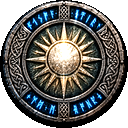 Midnight SunLong, bright days. Best for Market Isles, Harbor Towns and general growth. Outlaw Crew raids are rare.
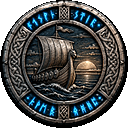 Waning LightThe light starts to fall. A shipbuilding and fuel season: Tar Works and Naust Isles do well, and travel speeds up as convoys race the coming dark.
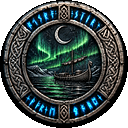 Short DaysThe darkest stretch. Fishing Isles come into their own, markets go quiet, and the long nights favor raiders and spies over open growth.
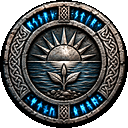 Returning LightThe days lengthen again. A season for late expansion: Surveys turn up more, and salvage and Faerings both do well in the shallows.
The turn from one Quarter to the next isn't a hard cliff. Income eases into its new normal over a couple of days rather than jumping overnight, so nothing about the calendar ever ambushes you.
The sea deck
Layered on top of the sun's slow rhythm, the sea deck draws a new stretch of weather every couple of days. Calm, fair stretches boost the Harbor Exchange and speed up travel. Storms and squalls do the opposite: they slow ships down and can hurt Market Isle income outright. Fog helps a spy or a raider slip past unseen. A rare, clear Aurora night makes scouting sharper but covert missions harder to pull off.
The Maelstrom has its own weather inside this same deck. Most of the time it's open at its normal cost. Sometimes the tide runs slack and it turns into a fast, safe shortcut. Other times it's running hard enough that Knarrs can't use it at all, and even a Longship crossing it takes a real chance of loss.
The next several days of sea weather are always shown to you exactly. Beyond that, you only get a rough sense of what's likely, not a guarantee, so you can plan a little ahead without ever being able to solve the whole season in advance.
Why it matters
The Tide Calendar is the reason a strategy that looks weak in one stretch of the season can look strong a few weeks later, and it's why the same trip across the water doesn't always take the same amount of time twice. It touches nearly everything else on this site: how fast your Survey expeditions pay off, how safe a covert mission is, and how much your isles actually earn on the Harbor Exchange from one week to the next.